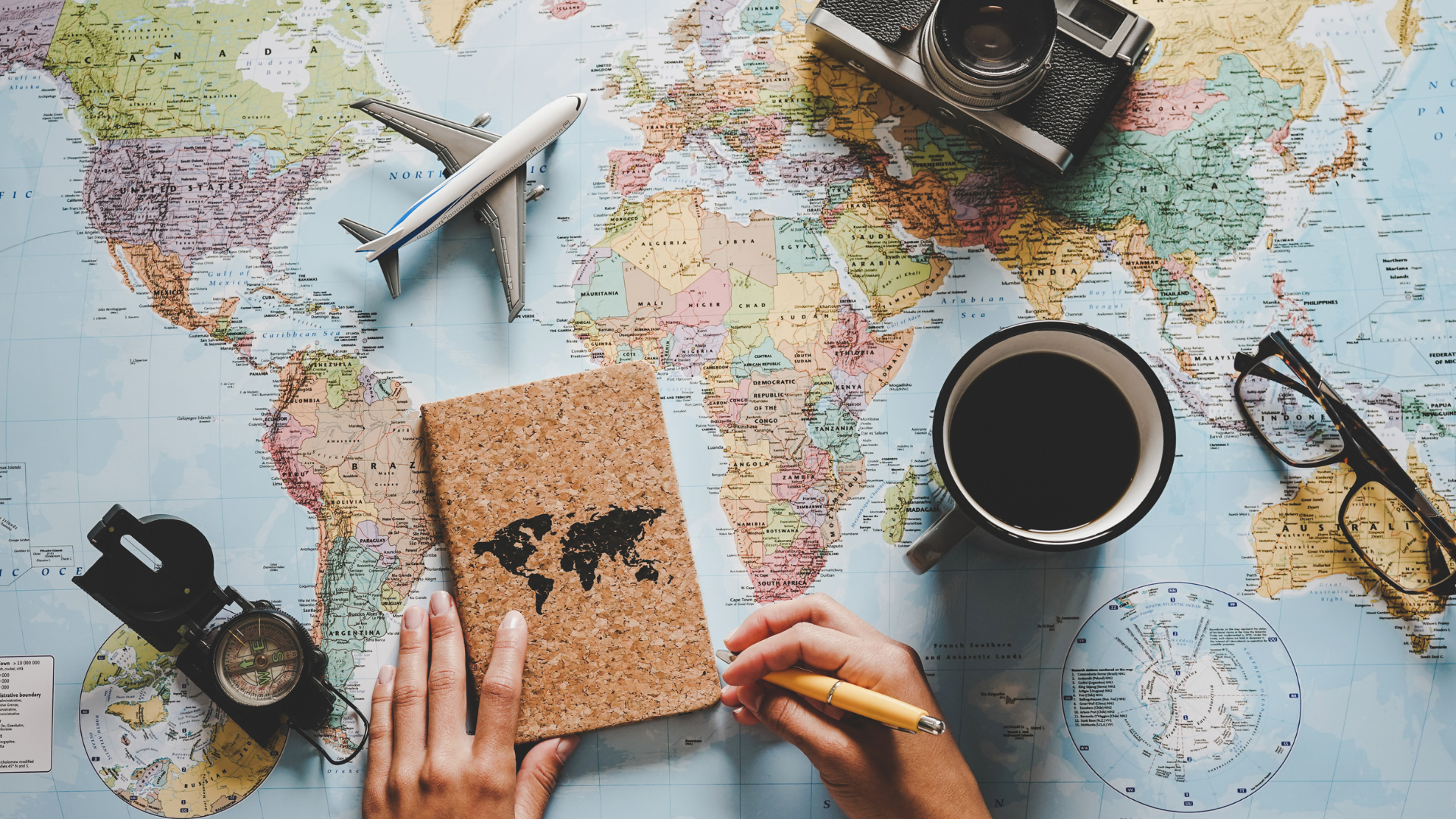
Traveling is exciting, but planning a trip can feel overwhelming if you are not sure where to start. Whether you are preparing for a family vacation, international tour, solo adventure, or weekend getaway, the right trip planning tips can save you money, time, and stress. This comprehensive guide will help you learn how to plan a trip step-by-step with practical advice that works for all types of travelers.
The goal of this article is to make trip planning easy, enjoyable, and less confusing. By the end, you will be ready to create your own travel itinerary with confidence and avoid common mistakes that many travelers make.
Why Trip Planning Matters More Than Ever
Travel today involves many moving parts: flights, accommodations, visas, budgeting, safety, packing, and more. Strong trip planning ensures you make the most of your time and money while avoiding unnecessary stress. Modern travelers also care about unique experiences, authentic culture, affordable travel, and smooth logistics. That is why proper trip planning tips are so valuable.
Search trends clearly show that more people are looking for step-by-step travel planning guides rather than random travel hacks. Travelers want real value, not shortcuts that cause problems later.
Start With a Clear Travel Goal
Every successful trip begins with a main purpose. Before looking at flights or hotels, ask yourself why you are taking this trip. Your goal can be relaxation, adventure, culture, nature, shopping, food experiences, or visiting family.
Once you understand your travel goal, choosing your destination becomes much easier. For example:
If you want relaxation, islands like Bali or Mauritius are perfect.
If you want culture, Italy, Turkey, and Japan offer depth and history.
If you want adventure, Nepal, Peru, and New Zealand are great choices.
Choosing a destination without understanding your purpose often leads to regret and wasted money. A clear travel goal makes everything simpler.
Set a Realistic Travel Budget Early
Budgeting is one of the most important trip planning tips because it affects all decisions including flights, hotels, activities, food, and transportation. The best approach is to break your budget into smaller categories. For example:
Total expected cost.
Flights and transport cost.
Accommodation cost per night.
Daily food and drink cost.
Sightseeing and activity fees.
Shopping or extra experiences.
Emergency and unexpected expenses.
This structure helps you avoid overspending and keeps your trip enjoyable. Many travelers complain about running out of cash during their vacation because they did not plan ahead.
Research the Best Time to Travel
Every destination has a high season, low season, and shoulder season. The season you choose can affect weather, prices, and tourist crowds. Understanding these seasons helps you travel smarter.
High season means good weather but expensive prices and crowded attractions.
Low season means cheaper deals but sometimes bad weather or closed attractions.
Shoulder season offers a balance between price and weather, and is preferred by smart travelers.
Checking the weather before booking a destination is very important. For example:
Bali is best from April to October.
The Maldives is best from November to April.
Europe is enjoyable from April to June and September to October.
Ignoring weather conditions often leads to disappointments like rain, storms, or unbearable heat.
Check Visa and Travel Requirements
One of the most overlooked trip planning tips is checking visa rules early. Immigration requirements depend on your nationality and destination. Some countries offer visa-free entry or visa-on-arrival, while others require online applications or embassy appointments.
Also check entry requirements like:
Passport validity (many countries require 6 months validity).
Travel insurance rules.
Vaccination or health certificates.
Tourist tax requirements.
Ignoring these rules can cause denied boarding or entry problems. Checking early prevents stress later.
Compare Flights and Book Smart
Flight prices change constantly, so smart booking can save hundreds of dollars. Here are helpful flight planning insights:
Search flights several weeks or months in advance for international trips.
Check flights on different days because weekends are usually more expensive.
Compare multiple airports if your destination has more than one.
Avoid very tight layovers to reduce the risk of missed connections.
Choose airlines with good safety and baggage policies, especially for long trips.
Always read baggage rules because low-cost airlines often charge extra for luggage.
Budget travelers can use flexible date searches to find cheaper options. However, do not book only based on the lowest price if the timing or airline experience will cause stress.
Choose Accommodation Wisely
Hotels, hostels, resorts, and rental apartments all offer different types of experiences. When choosing where to stay, consider these points:
Location convenience near attractions or public transport.
Safety of the area especially for solo travelers.
Guest reviews for real-world feedback.
Facilities like Wi-Fi, breakfast, pool, airport pickup or workspace.
Check-in and check-out timings.
Accommodation far from the city center may seem cheap but can cost more in transportation later. It is better to choose convenient and safe locations even if they are slightly more expensive.
Build a Simple Travel Itinerary
A travel itinerary is not a strict timetable. It is a helpful guide that organizes your activities without feeling rushed. A balanced itinerary includes:
Expected travel duration.
Major attractions or experiences per day.
Free time for rest, meals, or spontaneous plans.
Directions and transport details for important routes.
Many first-time travelers make the mistake of over-packing their days with too many activities. This creates stress and ruins the vacation mood. A better itinerary mixes sightseeing with time to relax.
Understand Local Transport Options
Every destination has different transport systems such as buses, metros, trams, taxis, ride apps, rental bikes, or trains. Learning how to move around the city makes traveling easier.
Before your trip, research:
How locals commute.
Frequency and cost of public transportation.
Availability of ride-sharing apps like Uber or local alternatives.
Possibility of renting a scooter, car, or bicycle.
Walking distances between attractions.
Public transport can save money and help you experience local culture. However, in some places, renting a car may be better due to low connectivity.
Learn Basic Local Culture and Etiquette
One of the most underrated trip planning tips is cultural awareness. Knowing a few local customs improves interactions and helps you avoid mistakes. For example:
Dress codes matter in religious places.
Tipping rules vary by country.
Dining etiquette can be different from your own culture.
Greeting habits and gestures may be different.
Basic cultural knowledge makes travel more enjoyable and respectful.
Pack Smart and Travel Light
Packing is often done last minute, which causes travelers to forget important items. Smart packing involves:
Packing weather-appropriate clothing.
Carrying medication and basic first aid.
Keeping travel documents secure.
Organizing toiletries and electronics efficiently.
Avoiding unnecessary items that add weight.
Traveling light is better because it gives you more flexibility and makes moving around easy. Rolling clothes saves space, and packing cubes help with organization.
Always Prepare for Safety
Travel safety is important no matter how experienced you are. Good travel planning includes:
Saving emergency contacts.
Knowing where the nearest hospital or embassy is.
Avoiding unsafe areas especially at night.
Keeping valuables secure and out of sight.
Using travel insurance for protection.
Insurance is especially important for international trips with adventure activities. It helps cover medical emergencies, cancellations, or lost baggage.
Helpful Tools and Apps for Trip Planning
In today’s world, technology makes trip planning easier. Many apps offer maps, language translation, transport schedules, budgeting, and hotel/flight management. Using the right tools saves time and improves organization.
Where to Find Travel Inspiration and Guides
Reliable travel guides, destination insights, and planning resources help you make better decisions. For more destination ideas, guides, and travel knowledge, you can explore travel-focused platforms like TheDreamTrips.com, which offer helpful content for planning enjoyable journeys.
Final Thoughts: Trip Planning Tips That Actually Work
Trip planning does not need to be stressful. When you follow a structured approach and focus on the right information, travel becomes smooth and rewarding. The best trip planning tips are simple: set clear goals, research early, manage your budget, plan smart, and stay safe. Every trip teaches you something new and makes you a better traveler.
If you want more destination guides, travel tips, or inspiration for your next adventure, visit TheDreamTrips and start exploring.
FAQs About Trip Planning Tips
What is the first step in planning a trip?
The first step is setting your travel goal and purpose so you can choose the best destination for your interests and budget.
How early should I book flights and hotels?
For international trips, booking flights 2 to 4 months in advance is ideal. Booking hotels early also helps you get better prices and choices.
How do I create a realistic travel budget?
Break down expenses into flights, accommodation, food, activities, transport, and emergency costs. This makes your budget more accurate.
How do I plan an international trip for the first time?
Research visa rules, weather, safety, currency, accommodation, and transport. Also prepare documents, travel insurance, and a basic itinerary.
Should I buy travel insurance?
Yes, travel insurance is recommended because it provides protection during medical issues, flight cancellations, lost luggage, or accidents.
How can I avoid overpacking?
Plan outfits based on weather, use packing cubes, and eliminate items you will not use. Traveling light makes your trip easier.