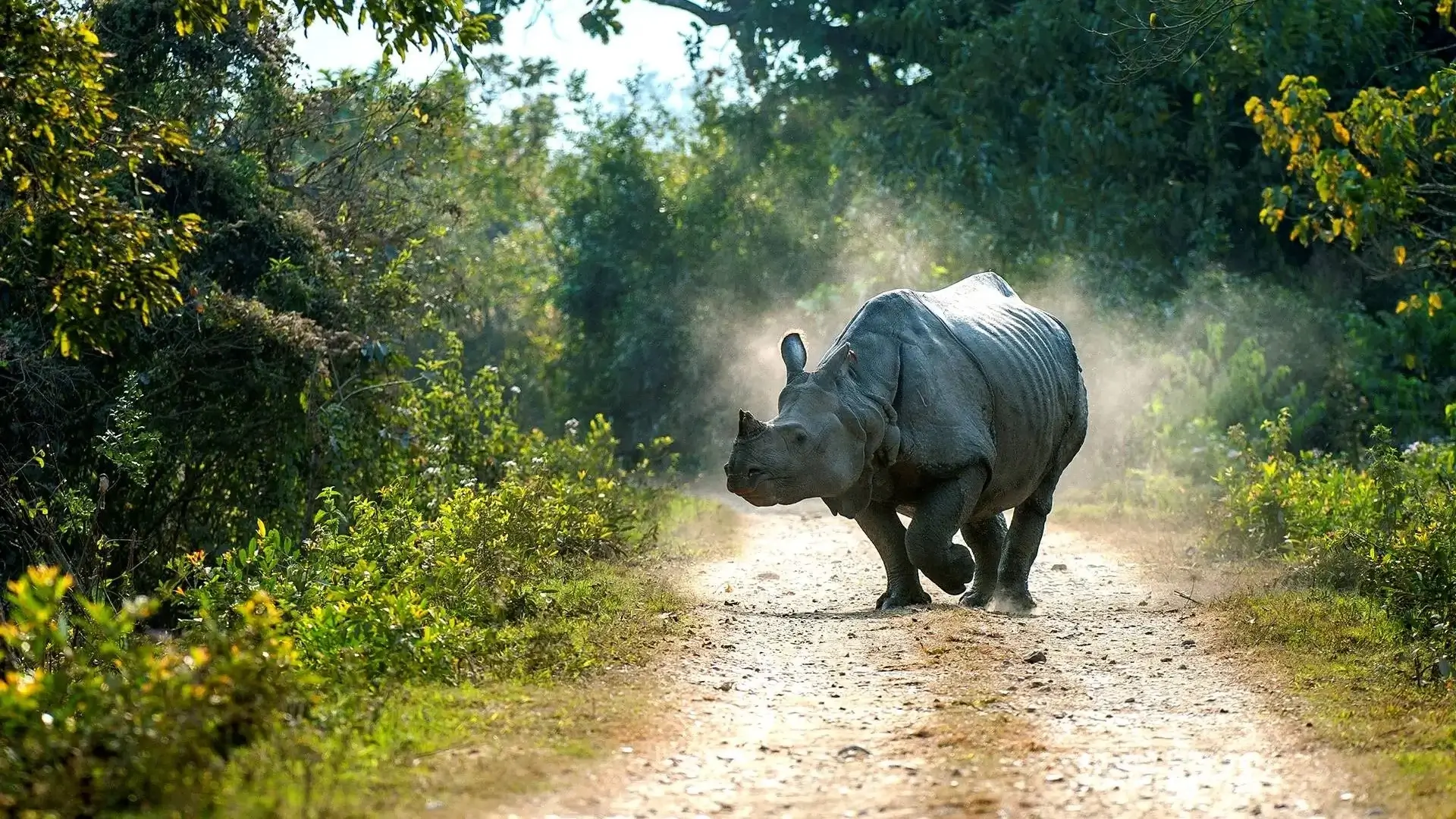
National park trips are one of the most fulfilling travel experiences for nature lovers, adventure seekers, hikers, campers, and families alike. With jaw-dropping landscapes, wildlife encounters, scenic trails, and immersive outdoor activities, national parks offer something truly unforgettable. This comprehensive guide will help you plan the perfect national park vacation—packed with expert tips, best destinations, itineraries, packing essentials, and more.
Why National Park Trips Are the Best Way to Travel
Choosing national park trips over typical vacations provides a unique blend of:
✔ Outdoor adventure – hiking, kayaking, rock climbing, wildlife photography
✔ Peace & mental reset – fresh air, quiet surroundings, digital detox opportunities
✔ Educational value – geology, ecosystems, historic landmarks, cultural history
✔ Family-friendly fun – easy trails, ranger programs, guided tours
✔ Budget-friendly travel – affordable entry passes, camping options, free activities
Whether you want alpine lakes, red rock deserts, tropical forests, or coastal cliffs—national parks deliver diverse landscapes worth exploring.
Best Time to Take National Park Trips
The ideal travel season depends on your chosen park, but here’s a general guide:
- Spring (March–May)
Good for wildflowers, moderate temperatures, fewer crowds. - Summer (June–August)
Peak season for most parks; great weather but higher crowd levels. - Fall (September–November)
Best for foliage, wildlife viewing, and cooler hiking conditions. - Winter (December–February)
Perfect for snowy adventures, photography, and avoiding crowds (in select parks).
Always check park conditions, road closures, and seasonal wildlife alerts before planning.
Top National Parks for Incredible Trips
Here are some of the most iconic national parks worth adding to your bucket list:
Yellowstone National Park (USA)
Famous for geysers, hot springs, bison, wolves, and geothermal wonders.
Yosemite National Park (USA)
Known for granite cliffs, giant sequoias, waterfalls, Half Dome, and El Capitan.
Banff National Park (Canada)
Crystal-blue lakes, glaciers, hiking trails, and dramatic peaks in the Canadian Rockies.
Torres del Paine National Park (Chile)
Patagonian mountains, glaciers, wildlife, and world-class trekking routes.
Kruger National Park (South Africa)
Africa’s most famous safari park—home to the Big Five and incredible biodiversity.
Fiordland National Park (New Zealand)
Milford Sound, rugged fjords, rainforests, and glacier-carved landscapes.
If you’re planning national park trips in Europe, consider Cinque Terre (Italy), Plitvice Lakes (Croatia), or Vatnajökull (Iceland).
Best Activities to Enjoy on National Park Trips
Most parks offer diverse outdoor activities such as:
🗻 Hiking & Trekking
From easy nature walks to multi-day mountain trails
📸 Wildlife Photography
Capture bears, moose, elk, bison, birds, whales, and more
🚣 Kayaking & Canoeing
Perfect for lakes, fjords, or slow-moving rivers
⛺ Camping & Stargazing
RVs, tents, backcountry camping, and dark-sky viewing
🧗 Climbing & Mountaineering
Yosemite, Dolomites, Patagonia, and the Rockies are iconic spots
🚗 Scenic Drives & Lookouts
For travelers who prefer sightseeing over strenuous activity
Each national park website usually lists all available activities and rules—always check before going.
How to Plan National Park Trips (Beginner-Friendly Guide)
Planning successful national park trips takes some research and preparation. Here’s a simple step-by-step breakdown:
- Choose Your Destination
Decide based on landscape type, climate, difficulty, and interests. - Pick the Right Season
Avoid extreme weather, overcrowding, or wildlife closures. - Book Entry Passes Early
Many parks use timed-entry systems (especially in summer). - Reserve Accommodation or Campsites
Options include lodges, cabins, campgrounds, or nearby hotels. - Plan Your Daily Itinerary
Include hikes, scenic drives, visitor centers, and rest time. - Check Safety Guidelines
Learn about wildlife, weather patterns, trail closures, and emergency procedures. - Pack the Essentials
Outdoor gear, water, clothing layers, navigation tools, snacks, and first aid.
The earlier you plan, the smoother your national park trip will be, especially during peak season.
Suggested Itineraries for National Park Trips
Example: 3-Day Yellowstone Itinerary
Day 1: Old Faithful, Grand Prismatic Spring, Biscuit Basin
Day 2: Yellowstone Canyon, Artist Point, Lamar Valley wildlife viewing
Day 3: Mammoth Hot Springs, Boiling River, scenic drive exit
Example: 5-Day Yosemite Itinerary
Day 1: Tunnel View, Bridalveil Falls, Valley Loop
Day 2: Glacier Point & Sentinel Dome
Day 3: Mist Trail (Vernal & Nevada Falls)
Day 4: Mariposa Grove (Giant Sequoias)
Day 5: Tioga Pass & High Country
Plan according to fitness levels, weather, and park rules.
Budgeting Tips for National Park Trips
National park vacations can be affordable with smart strategies:
💰 Buy annual passes (e.g., America the Beautiful Pass)
💰 Camp instead of booking hotels
💰 Cook your own meals
💰 Visit shoulder seasons to lower costs
💰 Carpool or use park shuttles
Average daily costs vary by destination—North America is budget-friendly compared to New Zealand or Patagonia.
What to Pack for National Park Trips
Packing depends on weather and terrain, but essentials include:
✔ Quick-dry clothing
✔ Hiking boots or trail shoes
✔ Backpack with hydration system
✔ Sunscreen, hat & sunglasses
✔ Trekking poles (optional but helpful)
✔ Map/Offline GPS app (AllTrails, Gaia, etc.)
✔ Snacks, protein bars, nuts, and electrolytes
✔ First aid kit & emergency whistle
✔ Layers for temperature changes
✔ Bear spray (in grizzly areas)
Never rely solely on cell signal—many parks have limited service.
Safety Tips for National Park Trips
Nature is beautiful but unpredictable—stay safe with these rules:
⚠ Respect wildlife distance (never feed animals)
⚠ Follow marked trails
⚠ Check weather forecasts daily
⚠ Know your limits (don’t attempt risky climbs)
⚠ Carry enough water (dehydration is common)
⚠ Learn about altitude sickness if visiting high elevation
⚠ Use proper food storage to avoid bear encounters
⚠ Inform someone of your travel plans
Preparedness can prevent accidents, especially in remote parks.
Eco-Friendly Tips for Responsible National Park Trips
Sustainable travel helps protect parks for future generations:
🌿 Pack reusable bottles & utensils
🌿 Avoid plastic waste
🌿 Stay on designated trails
🌿 Do not remove rocks, plants, or wildlife
🌿 Use eco-friendly sunscreen (reef-safe in coastal areas)
🌿 Respect noise levels and wildlife habitats
🌿 Follow Leave No Trace principles
Responsible tourism ensures parks remain pristine and wild.
Final Thoughts: Why National Park Trips Should Be on Your Travel List
National park trips are more than vacations—they’re transformative experiences that deepen your appreciation for nature, wildlife, and our planet’s diverse ecosystems. Whether you’re planning a family camping trip, a road trip with friends, or a solo hiking adventure, national parks promise unforgettable scenery and lifelong memories.
If you’re searching for travel ideas that combine adventure, relaxation, and natural beauty, national park trips are one of the best choices you can make.