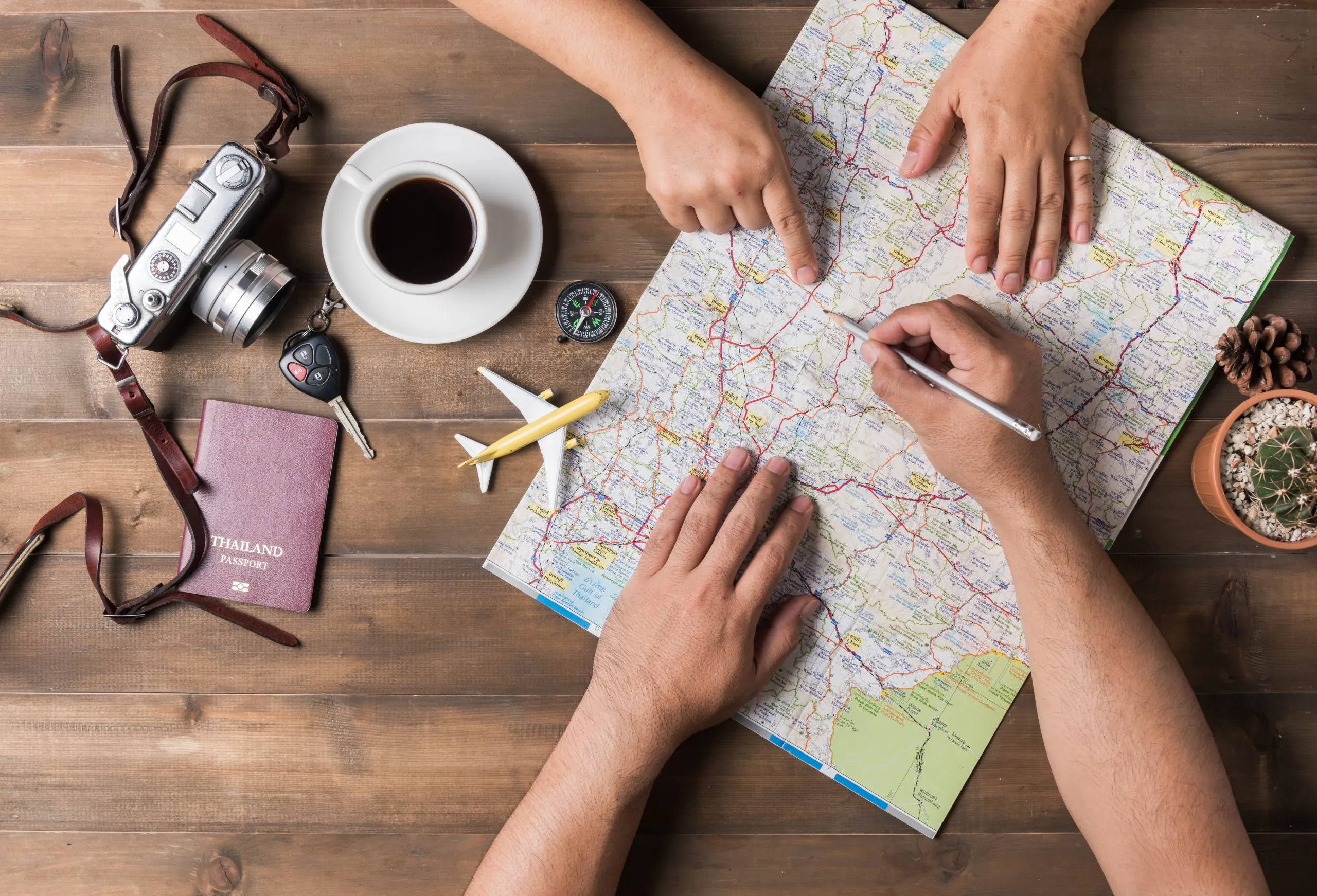
Learning how to plan a trip properly can turn any travel dream into a smooth and enjoyable reality. Many travellers make the mistake of leaving everything until the last minute, which leads to stress, overspending, and missed experiences. Planning a trip does not need to be complicated. With the right steps and helpful travel insights, anyone can organize a successful journey—even if it is their first time.
This detailed guide will teach you how to plan a trip from start to finish, including choosing a destination, setting a budget, booking flights and accommodation, creating itineraries, and avoiding common mistakes. The goal is to help you travel confidently, save money, and make the most of your time.
Why Trip Planning Matters
Proper travel planning makes your journey smoother and more enjoyable. It also helps you avoid unnecessary expenses, safety risks, and confusion during the trip. When you know how to plan a trip correctly, you gain more freedom to enjoy the destination without stress or worry.
Good planning helps you:
Save money through smart bookings
Travel safely with the right documents and knowledge
Avoid tourist traps and scams
Find the best attractions without wasting time
Enjoy a more meaningful cultural experience
Whether you’re planning a short vacation or an international adventure, preparation is key.
Step 1: Choose the Right Destination for Your Trip
The first step in learning how to plan a trip is choosing where to go. Your destination should match your interests, budget, and travel goals.
Ask yourself:
Do I want nature, adventure, beaches, food, or culture?
How much am I willing to spend?
What kind of weather do I prefer?
Do I want a busy city or a peaceful place?
If you are unsure, research trending travel destinations, watch travel videos, read guides online, and compare different countries or cities.
Step 2: Decide Trip Duration and Travel Dates
Once you pick a destination, choose how long you want to stay. Trip duration depends on:
Distance and travel time
Budget and vacation days
Activities and attractions
Many travellers underestimate how long it takes to enjoy a destination properly. For example, a big city may need at least three to five days, while islands or road trips may require a week or more.
Choosing travel dates is also important because of seasons, festivals, and local climate conditions. Always research:
Best time to visit
Weather conditions
Peak and off-peak tourist seasons
School holidays and festival dates
Travelling during off-season can help you save money and avoid crowds.
Step 3: Set a Realistic Travel Budget
Budgeting is an essential part of learning how to plan a trip effectively. Many travellers overspend because they forget small expenses like local transport or entry tickets.
Your travel budget should include:
Flights or transport costs
Accommodation costs
Food and drinks
Local transportation
Tour guides and activities
Entry tickets to attractions
Visa fees and insurance
Shopping and souvenirs
Emergency fund
Once you know your expected expenses, you can start saving early and avoid last-minute financial stress.
Step 4: Book Flights or Long-Distance Transport
After setting a budget, search for flights, trains, or buses depending on your destination.
Here are helpful booking tips:
Book flights 2–3 months early for lower prices
Compare prices across different travel portals
Be flexible with travel dates to save money
Check both budget and full-service airlines
Sign up for fare alerts or newsletter deals
Night flights sometimes cost less and save hotel nights
If you’re traveling locally, research trains, buses, or car rentals early to avoid price hikes.
Step 5: Select the Best Accommodation for Your Stay
Choosing the right accommodation can improve your travel experience. When learning how to plan a trip, consider:
Distance from city center or attractions
Public transport availability
Safety of the area
User ratings and reviews
Facilities and comfort
Free cancellation options
Accommodation options include:
Hotels
Hostels
Guesthouses
Apartments
Homestays
Luxury resorts
Prices vary based on location, season, and comfort level. Always read guest reviews before booking.
Step 6: Plan Your Trip Itinerary (But Keep It Flexible)
Your itinerary is the schedule of what you will do every day. A well-planned itinerary helps you avoid wasting time deciding where to go next.
Here is how to plan a trip itinerary effectively:
List the must-see attractions
Group nearby places for the same day
Add time for meals and rest
Avoid adding too many activities in one day
Research opening and closing hours
Include buffer time for unexpected changes
Flexible itineraries reduce stress and allow you to enjoy the journey without rushing.
Step 7: Check Passport, Visa, and Travel Requirements
If you are planning an international trip, always check:
Passport validity (many countries require 6 months validity)
Visa requirements (tourist, e-visa, or visa on arrival)
COVID or health entry requirements (if applicable)
Travel insurance options
Local currency regulations
Some destinations deny entry if passport or visa rules are not followed, so it’s important to check early.
Step 8: Arrange Local Transportation
Once you arrive, you need a way to move around. Depending on the destination, you may choose:
Public buses
Metro/subway systems
Trains
Rental cars
Taxis
Ride-sharing apps
Bicycles or motorbikes
Walking
Research transportation apps and passes, as many countries offer tourist passes that save time and money.
Step 9: Learn About Local Culture and Basic Etiquette
Travel becomes more meaningful when you respect local customs and traditions. Before traveling, research:
Local language phrases
Dress code norms (especially in religious places)
Tipping culture
Dining etiquette
Social rules and manners
Emergency contact numbers
This knowledge protects you from misunderstandings and makes your trip smoother.
Step 10: Pack Smart and Light
Knowing how to plan a trip also means knowing how to pack correctly. Many travelers pack too much and struggle during their journey.
Essential packing tips:
Pack climate-appropriate clothing
Carry important documents (passport, bookings, insurance)
Bring chargers, adapters, and power banks
Carry basic medicines and toiletries
Keep valuables in a secure pouch
Roll clothes instead of folding to save space
Consider luggage weight restrictions for flights
Packing light gives you more freedom to move and enjoy your trip.
Step 11: Stay Safe and Connected Abroad
Safety should always come first when learning how to plan a trip. Stay informed about local conditions and keep communication open.
Safety tips:
Share itinerary with family or friends
Avoid unsafe neighborhoods at night
Use lockers for valuables where available
Buy a local SIM or travel data plan
Follow local laws and guidelines
Always have a backup plan in case of emergencies
Being prepared helps you enjoy your trip with confidence.
Common Mistakes to Avoid While Planning a Trip
Many new travellers make avoidable mistakes. Here are some common ones:
Booking flights without checking visa rules
Ignoring weather or seasonal conditions
Overpacking daily itineraries
Choosing cheap but unsafe areas
Not buying travel insurance
Not checking transport schedules
Leaving bookings for the last minute
Skipping cultural research
Avoiding these mistakes will significantly improve your travel experience.
Useful Tools and Resources for Better Trip Planning
To help you plan trips faster and smarter, use online tools such as:
Flight comparison websites
Hotel booking platforms
Travel blogs and guides
Google Maps for routes
Weather forecasting apps
Currency converters
Language translation apps
Travel planning websites like thedreamtrips also provide helpful travel guides, destination ideas, and planning tips.
Final Thoughts on How to Plan a Trip Successfully
Learning how to plan a trip is one of the most valuable skills for any traveler. With proper preparation, budgeting, research, and organization, you can travel with less stress and more enjoyment. The goal is not just to reach the destination, but to enjoy the journey itself.
Frequently Asked Questions About How to Plan a Trip
How do I start planning a trip?
Start by choosing a destination, setting travel dates, and creating a budget. Then book flights, accommodation, and plan an itinerary.
How far in advance should I plan a trip?
For international trips, start planning at least 2–4 months in advance. Domestic trips can be planned 2–6 weeks before travel.
How do I plan a trip on a budget?
Choose affordable destinations, travel off-season, book early, compare prices online, use public transport, and eat at local places.
What should I include in a trip itinerary?
Include attractions, travel times, dining options, rest time, and backup plans in case of schedule changes.
Should I buy travel insurance?
Yes. Travel insurance protects you from medical emergencies, flight cancellations, and lost baggage.
How can I save money during travel?
Use public transport, book early, choose budget stays, avoid tourist traps, and travel during off-peak seasons.
What documents do I need for international travel?
You may need a valid passport, visa, travel insurance, vaccination certificates, flight tickets, and hotel confirmations.
Leave a Reply